
When a parent receives a dementia diagnosis, families are often faced with a decision about the most appropriate care setting. Both memory care and home care services in Maryland provide meaningful support, but they serve different needs.
Understanding these dementia care options can help you evaluate what may be the best fit for your parent.
Understanding Memory Care Communities
Memory care communities are designed specifically for individuals living with Alzheimer’s disease and other forms of dementia.
These communities are thoughtfully designed to reduce confusion and promote comfort. Specially trained team members understand how to communicate with and support residents as their needs evolve. Here are some ways these communities support daily comfort and navigation:
- Color-coded hallways to help with wayfinding
- Memory boxes outside apartment homes to support recognition
- Open layouts and clear sightlines to reduce confusion
- Inviting common areas for connection and structured programs
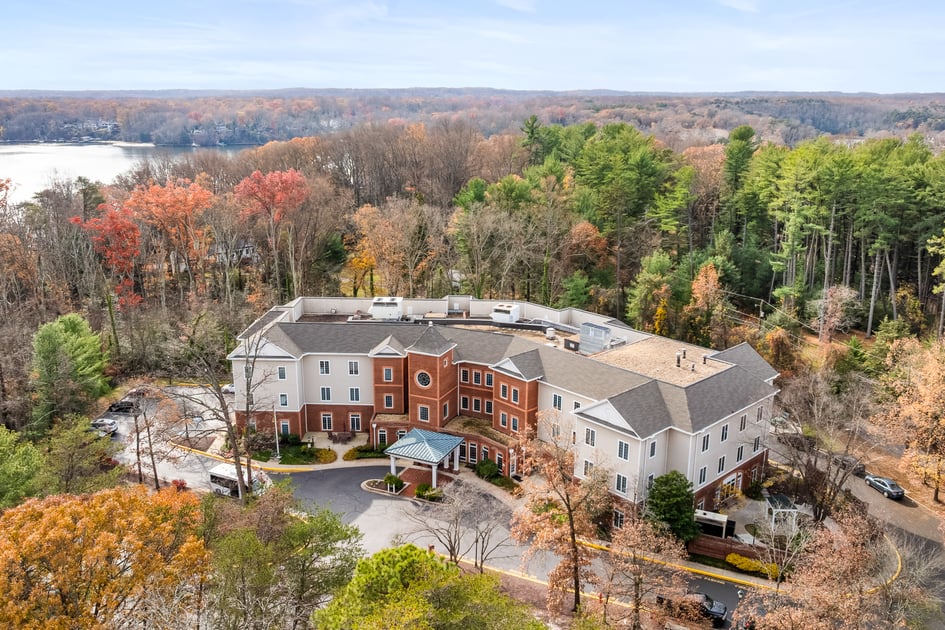
Residents of HeartLands Assisted Living at Severna Park, for instance, benefit from a structured, supportive environment with personalized attention and consistent routines. Through structured Memory Care programming, including the GLOW℠ Memory Care philosophy, residents experience personalized engagement, helpful routines, and a setting that adapts to their individual history and preferences.
This specialized approach to senior care in Maryland creates an environment where residents feel secure while maintaining a sense of familiarity.
What Home Care in Maryland Provides
Home care in Maryland services allow older adults to remain in their own residence while receiving assistance with daily tasks. For many families, this option can be especially helpful in the early stages of dementia or when families want to extend time at home.
Home care services can range from a few hours per week to full-time support, depending on individual needs. Typical home care support includes:
- Help with personal hygiene and grooming
- Meal preparation and nutrition support
- Medication reminders
- Light housekeeping to maintain a safe space
While some providers offer dementia-specific training, the level of experience can vary. For many families navigating aging parent care, coordinating and managing these services often becomes more involved over time.
For additional guidance on evaluating support needs, exploring senior living options in Severna Park can offer more clarity.
Now that we’ve defined both memory care and home care, it’s helpful to look more closely at how these options compare in the following key areas:
Safety and Supervision
As dementia progresses, safety becomes a primary concern. Memory Care communities, such as HeartLands Assisted Living at Severna Park, provide 24-hour support, with trained team members available at all times to respond to changes or concerns.
Residents also benefit from:
- Secure environments that reduce wandering risks
- Regular wellness checks and consistent monitoring
- Access to secure outdoor spaces for fresh air and movement
In contrast, home care relies on scheduled hours. Even with full-time support, there may be gaps, especially overnight or during unexpected situations. For individuals living with dementia, this may leave periods without consistent oversight.
Social Engagement and Stimulation
Social connection and daily engagement play an important role in overall well-being for individuals living with dementia. Specialized memory care communities offer structured daily programs designed to engage residents at appropriate cognitive levels.
Programs typically include:
- Music sessions that tap into long-term memories
- Art programs adapted for varying cognitive abilities
- Reminiscence programs that encourage meaningful conversations
- Movement classes that promote physical health and well-being
Regular interaction with other residents and care partners creates consistent social connections that can support cognitive engagement.
Home care in Maryland often offers fewer built-in opportunities for regular social interaction, focusing primarily on time spent with family and caregivers. While some families add outside programs or adult day services, coordinating these options often requires additional planning. Over time, this can mean fewer consistent opportunities for engagement.
Cost Considerations and Value
Understanding the financial side of senior living in Maryland is an important part of planning.
Memory care communities in Maryland typically offer a monthly rate that includes housing, meals, programming, and around-the-clock support. This can make budgeting more predictable.
Home care may appear more flexible at first, but costs can increase as more hours are needed. Families are also responsible for managing household expenses, coordinating services, and arranging transportation.
Over time, these factors can make home care comparable in cost to memory care, especially as your parent’s support needs increase.
Make the Right Choice for Your Family
The best option depends on your parent’s current needs, stage of dementia, and your family’s ability to provide ongoing support.
Home care in Maryland may work well in earlier stages, particularly when family members are nearby. However, as needs grow, many families find that a memory care community offers more consistent support, safety, and opportunities for engagement.
Choosing between home care and memory care is not always easy. Having the right information and seeing your options in person can help bring greater clarity.
Schedule a personalized tour at HeartLands Assisted Living at Severna Park to learn how our approach to Memory Care in Maryland can support your loved one and your family.