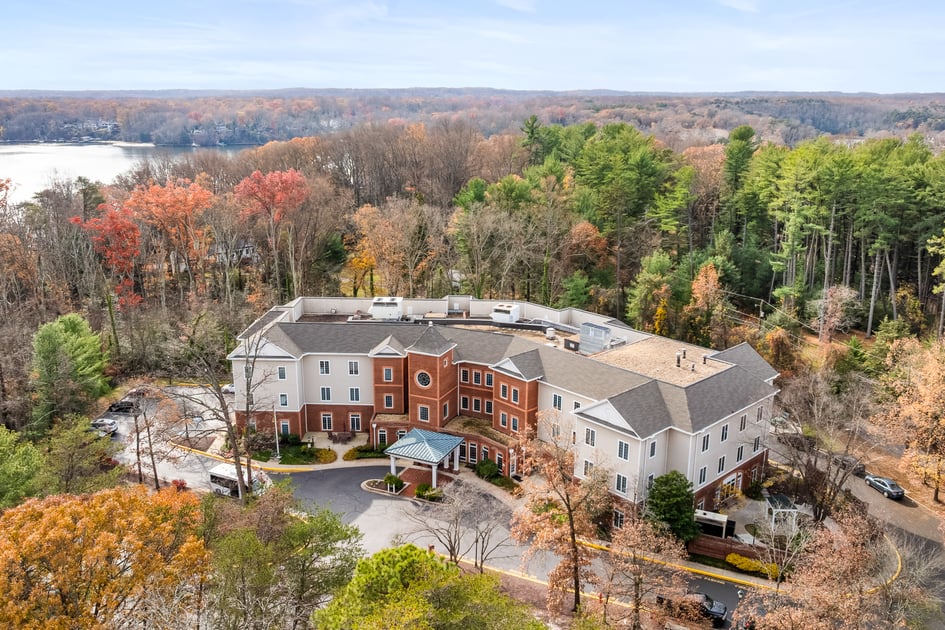

When a family member needs more day-to-day support, families often wonder whether selling the family house is the only way to cover the cost. In many cases, paying for assisted living without selling a house may be possible through a combination of home equity, benefits, insurance and other financial resources. Families considering HeartLands Assisted Living at Severna Park can also compare what is included in senior living with the expenses they are currently managing at home.
Exploring alternatives to selling a home for care before making a permanent decision gives families time to consider both immediate needs and long-term financial goals.
Use Home Equity Carefully
Home equity may offer a way to access funds while keeping ownership of the property. The best option depends on the homeowner's financial situation, future plans and ability to manage repayment requirements.
Potential approaches include:
- A home equity loan or line of credit that allows qualified homeowners to borrow against available equity
- Renting the house after a family member moves, creating income that may offset part of the monthly senior living cost
- A reverse mortgage for eligible homeowners, although occupancy requirements, fees and repayment terms should be reviewed carefully before relying on this strategy
Families considering any of these options should discuss the tax, loan and estate implications with qualified financial or legal professionals.
Consider Rental Income Before Selling
For some families, renting the property can provide a middle ground between keeping an empty house and selling it immediately. Rental income may help with financing senior care without a home sale while preserving the property for a future decision.
Professional property management can reduce the work involved with finding tenants, collecting rent and coordinating repairs. Families should still account for management fees, insurance, maintenance, taxes and possible periods without a tenant.
Rental income can also affect taxes or eligibility for certain financial programs, so professional guidance is important.
Look at Other Assisted Living Payment Options
The house does not have to be the family's only source of funding. Reviewing existing benefits and financial accounts may uncover other assisted living payment options that can reduce how much must come from home equity.
Options worth reviewing include:
- Long-term care insurance benefits, depending on the individual policy and eligibility requirements
- Veterans benefit for qualifying veterans or surviving spouses
- Bridge loans for senior care when funds are needed during a short financial transition
- Applicable life insurance benefits, savings or investment accounts
HeartLands also offers a Veterans Program that provides information and support related to VA benefits for qualifying applicants. Program terms and eligibility can change, so families should confirm current details directly.
Understand How Bridge Financing Works
Bridge loans for senior care are generally intended to provide temporary funding while families wait for another financial resource to become available. For example, a family might use short-term financing while arranging longer-term funding or making decisions about property.
Because borrowing involves interest and repayment obligations, compare loan terms carefully rather than using temporary financing as a long-term solution.
The goal is to create enough flexibility to make a thoughtful decision instead of selling a house quickly simply because a move needs to happen soon.
Compare the Full Cost of Living at Home
Families deciding whether to keep a house while in assisted living should compare more than the senior living monthly rate. Maintaining a property carries its own ongoing expenses, even after the homeowner moves.
Include costs such as:
- Mortgage payments or property taxes, insurance, utilities and routine maintenance
- Groceries, meal preparation and household services
- Transportation, housekeeping and other outside services
- The cost of regular in-home support when additional help is needed
HeartLands Assisted Living at Severna Park includes services such as chef-prepared dining, weekly housekeeping and scheduled transportation. Families can review Assisted Living at HeartLands Assisted Living at Severna Parks and compare those inclusions with what they currently pay for separately.
The community also offers a range of suites, one-bedroom companion layouts and a two-bedroom companion option. Current costs are available through its floor plans and pricing page.
Frequently Asked Questions
Do You Have to Sell a House to Pay for Assisted Living?
No. Some families use insurance, veterans' benefits, rental income, savings, home equity or a combination of resources. The right approach depends on individual finances.
Can You Rent a Parent's House After They Move?
Potentially. Rental income can help offset expenses, but families should consider taxes, maintenance, management costs and any effect on benefit eligibility.
Are Bridge Loans a Long-Term Funding Solution?
They are generally better considered as temporary financing while another funding source is being arranged. Carefully review interest, fees and repayment requirements.
Who Can Help Create a Payment Plan?
A qualified financial planner, elder law attorney, tax professional or insurance representative can help families understand how different funding strategies may affect their broader financial plan.
Paying for assisted living without selling a house may require combining several resources rather than relying on one solution. Comparing the full costs, reviewing available benefits and getting professional financial guidance can help families protect important assets while planning for appropriate support. To learn more about services, apartment options and current pricing, schedule a tour of HeartLands Assisted Living at Severna Park.