
After a loved one receives a dementia diagnosis, families often wonder, “How long will Mom need memory care?” There's no single timeline that applies to everyone. However, understanding dementia progression stages and the factors that affect the length of time in memory care can make long-term planning feel more manageable.
Memory care duration varies based on the type of dementia, age at diagnosis, overall health, and the point at which specialized support begins. Some residents may need memory care for a few years, while others benefit from it for much longer. Instead of relying on one estimate, families can prepare by learning how support may change throughout the journey.
Understanding Dementia Progression Stages
Dementia generally progresses through early, moderate, and advanced stages. The pace and symptoms vary by person, but each stage may bring different support needs.
- Early stage: A person may experience mild memory changes, difficulty organizing tasks or occasional confusion while still managing many parts of daily life.
- Moderate stage: More consistent support may be needed with medication management, dressing, personal hygiene, communication and familiar routines.
- Advanced stage: Significant cognitive and physical changes may require comprehensive, around-the-clock assistance.
Memory care communities adjust residents’ support plans as their abilities and preferences change. The length of time in memory care may also depend on when the transition occurs. Some families begin exploring options after early safety or behavioral concerns emerge. Others wait until daily needs become difficult to manage at home.
Factors That Influence Memory Care Duration
No formula can predict exactly how long memory care will last. Several factors may shape a person’s memory care timeline expectations:
- The type of dementia and its progression pattern
- Age at diagnosis
- Overall physical health
- Other medical conditions
- Changes in mobility, communication or behavior
- The level of support available at home
- How early specialized memory support begins
Different forms of dementia may progress in different ways. Alzheimer’s disease often changes gradually, while vascular dementia may involve more noticeable shifts after strokes or other vascular events. Lewy body dementia and frontotemporal dementia may bring different symptoms and support needs.
A physician who understands your loved one’s medical history can provide more individualized guidance. Even then, memory care duration planning should remain flexible because needs can change unexpectedly.
Planning for Changing Support Needs
A thoughtful plan should account for changing needs rather than one fixed timeline. Families can begin by discussing finances, reviewing community pricing structures and learning how support plans are reassessed.
Helpful questions include:
- How often are residents’ needs reviewed?
- Can support increase without requiring another move?
- What services are included in the monthly rate?
- How are families involved in planning?
- What happens if mobility or health needs change?
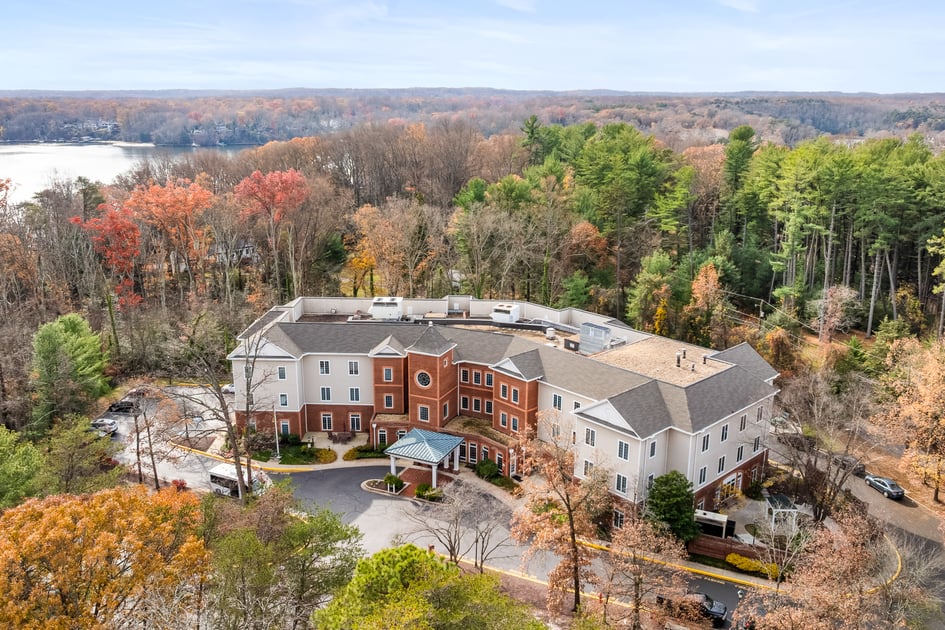
At HeartLands Assisted Living at Severna Park, we offer Assisted Living and GLOW℠ Memory Care living options. GLOW℠ Memory Care provides an adaptive approach for residents living with Alzheimer’s disease or related dementias.
Supporting Quality of Life Throughout the Journey
Although families naturally focus on how long memory care lasts, daily quality of life matters just as much. Meaningful routines, familiar interests and opportunities for choice can help residents remain connected to their identities.
GLOW℠ Memory Care emphasizes six foundational pillars:
- Legacy preservation
- Cognitive engagement
- Sensory enrichment
- Family collaboration
- Dining experience
- Team training
These pillars help shape individualized routines and programs based on each resident’s history, preferences and abilities. Residents may participate in one-on-one engagement, group programs, sensory experiences, social celebrations or quiet moments, depending on what feels comfortable that day.
When to Consider a Memory Care Transition
The right time for a transition differs for every family. It may be time to explore memory care when a loved one experiences:
- Wandering or other safety concerns
- Increasing confusion or anxiety
- Difficulty managing medications
- Challenges with bathing, dressing or meals
- Disrupted sleep or nighttime restlessness
- Reduced social engagement
- Family caregiver exhaustion
Beginning the search before an urgent situation develops gives families more time to compare communities, discuss preferences and involve their loved one whenever possible. Moving earlier may also allow the resident to become familiar with new routines, surroundings and team members before symptoms progress further.
Frequently Asked Questions
Is There an Average Length of Time in Memory Care?
Some residents remain in memory care for several years, but averages cannot predict an individual experience. Diagnosis, overall health and the stage at transition all influence duration.
Can Someone Remain in Memory Care as Dementia Progresses?
Many communities adjust support as residents’ needs change. Families should ask how the community handles advanced support needs and whether another move could become necessary.
How Should Families Budget for Memory Care?
Consider several possible timelines rather than planning for one exact number of years. Ask what the monthly fee includes, how pricing may change, and which additional services may create added costs.
Understanding how long memory care lasts is less about identifying a precise deadline and more about preparing for changing needs. With flexible planning and the right support, families can focus on comfort, dignity, and meaningful daily experiences throughout each stage.
Schedule a tour today to learn how GLOW℠ Memory Care at HeartLands Assisted Living at Severna Park can support your loved one’s needs.