
Summary
Assisted living after hospitalization provides the structured support and medical oversight that helps older adults recover safely while easing stress for families. This bridge between hospital discharge and independent life offers professional care during the critical weeks when needs change fastest.
- Round-the-clock team members provide medication management, fall prevention, and quick response to changes—reducing the risk of hospital readmission
- Professional oversight of multiple prescriptions and coordination with physicians helps prevent medication mix-ups, a common cause of return visits
- On-site rehabilitation services, including physical and occupational therapy in a familiar setting, support strength and mobility recovery without exhausting trips to outside appointments
- Nutritious, chef-prepared meals accommodate specific dietary needs while shared dining combats isolation and supports emotional well-being during healing
- Regular wellness checks and attentive monitoring catch early warning signs of complications, allowing families to focus on quality time rather than worry
Coming home after a hospital stay can feel overwhelming for older adults and their families. Discharge often brings new medications, physical limits, and care instructions that are hard to manage alone. Many families find that assisted living after hospitalization offers the supportive setting a real recovery needs.
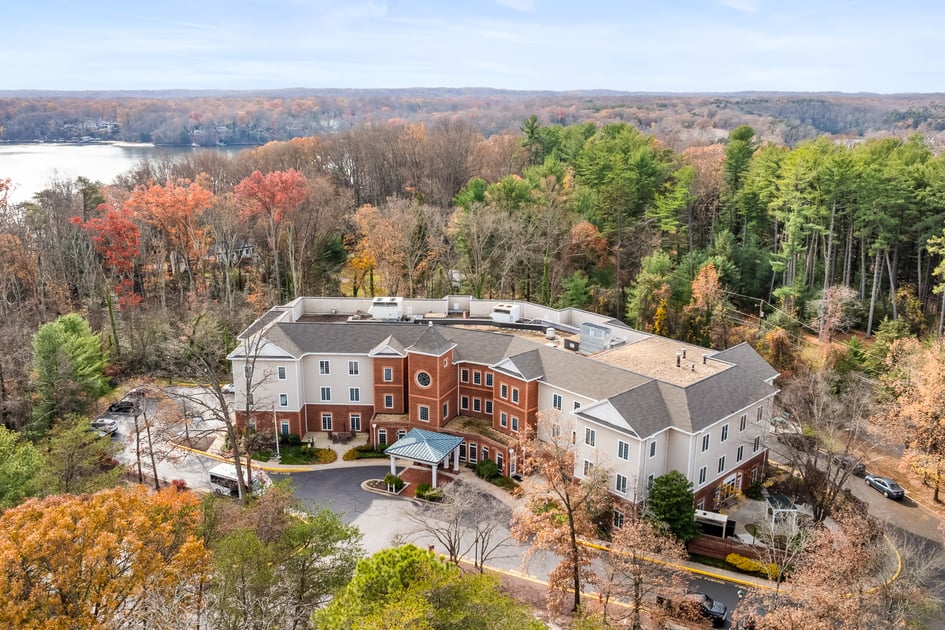
Communities like HeartLands Assisted Living at Severna Park bridge the gap between the hospital and everyday life. With team members on hand day and night, medication management, and help coordinating recovery services, these communities help residents rebuild strength and confidence while easing stress for families.
Round-the-Clock Support During Critical Recovery Weeks
The first few weeks after a hospital stay matter most. Older adults often need help with tasks they handled on their own before, such as bathing, dressing, or making meals. Assisted living offers steady support from trained team members who understand what recovery from surgery or illness looks like day to day.
That constant presence brings peace of mind: someone is nearby if help is needed. Team members check in regularly and can respond quickly if something changes, which helps head off setbacks before they turn into another hospital visit.
Home care is often limited to set hours. A community covers the full day and night, which creates a safety net during the stretch when needs can change fast. At HeartLands Assisted Living at Severna Park, Assisted Living support comes in a smaller community where team members know each resident well.
Professional Medication Management Reduces Complications
Hospital discharges often come with a long list: multiple prescriptions, new dosing schedules, and possible drug interactions. Getting medications right is critical to recovery, and medication mix-ups are a common reason older adults return to the hospital.
Assisted living communities have trained team members who coordinate with physicians and pharmacists on medication support. They help residents take the right medications at the right times, watch for side effects, and pass concerns to providers promptly. That oversight lowers the risk of medication-related problems.
Many communities also work with pharmacies to simplify prescriptions, including automatic refills and delivery. For families, that lifts one of the most stressful parts of recovery off the to-do list.
Rehabilitation in Assisted Living Supports Physical Recovery
Senior recovery after a hospital stay often calls for therapy to restore strength and mobility. Rehabilitation in assisted living usually happens through visiting providers or community partnerships, and may include:
- Physical therapy to rebuild strength, balance, and walking ability
- Occupational therapy to practice everyday tasks safely
- Speech therapy for swallowing or communication needs after a stroke or illness
Having therapists come to the community spares residents exhausting trips to outside appointments while they’re still weak. Therapists work in familiar surroundings and build plans around specific recovery goals, which makes it easier to stick with the program. When outside appointments are needed, HeartLands Assisted Living at Severna Park offers scheduled transportation, so getting there isn’t on the family’s shoulders. Between sessions, team members can help with recommended exercises and keep an eye on progress.
Nutritious Meals Aid Healing and Strength
Good nutrition is a big part of recovery, yet cooking healthy meals is hard for someone who is weak, in pain, or managing new dietary limits. At HeartLands Assisted Living at Severna Park, residents enjoy home-style, chef-prepared meals every day with restaurant-style tableside service, and the BALANCED℠ program pairs nutrition grounded in longevity science with tastings and cooking demos. Dining services in assisted living communities commonly accommodate:
- Heart-healthy options with controlled sodium and healthier fats
- Balanced carbohydrates and portion guidance for residents managing diabetes
- Texture modifications for residents with swallowing difficulties
- Flexible dining times for those who tire easily
Shared meals help recovery in another way: they ease isolation and encourage appetite. Conversation over dinner supports emotional well-being during healing.
Preventing Hospital Readmission Through Attentive Care
Readmissions within 30 days of discharge are common among older adults, often because support at home falls short during the transition. Transitional care for seniors focuses on preventing hospital readmission with practical, everyday habits:
- Regular wellness checks of vital signs
- Watching for early warning signs of complications or decline
- Keeping physicians informed of any change in condition
- Fall-reduction measures and mobility support
- Infection control practices and help with hygiene
Catching small problems early often keeps them from becoming emergencies. The structure of community life also helps residents keep healthy routines for sleep, movement, and self-care.
For families, knowing a parent is in a supervised setting that puts health and safety first is a tremendous relief. Instead of worrying about medications or falls, you can spend visits simply being together.
Making the Transition to Assisted Living
Some families see assisted living after hospitalization as a short-term bridge until a parent is back on their feet. Others find it becomes the right long-term fit. When weighing post-acute care options, ask each community about short-term stay availability, therapy partnerships, and how it handles a move from assisted living to memory care if needs change. HeartLands Assisted Living at Severna Park offers both Assisted Living and GLOW® Memory Care, so families can compare living options knowing that if needs change, the next step can happen within the community a parent already knows.
The key is choosing a community with real experience supporting older adults through recovery. HeartLands welcomes families to tour, meet the team, and talk through specific recovery needs, so the move feels supportive rather than stressful.
See Our Recovery Support for Yourself
Recovery goes better when the right help is already in place. The team at HeartLands Assisted Living at Severna Park can walk you through how medication management, dining, and daily support would work for your parent. Schedule a personalized tour of our Severna Park, MD, community to start the conversation.